The most still lake...unreal
Yakking
No filter
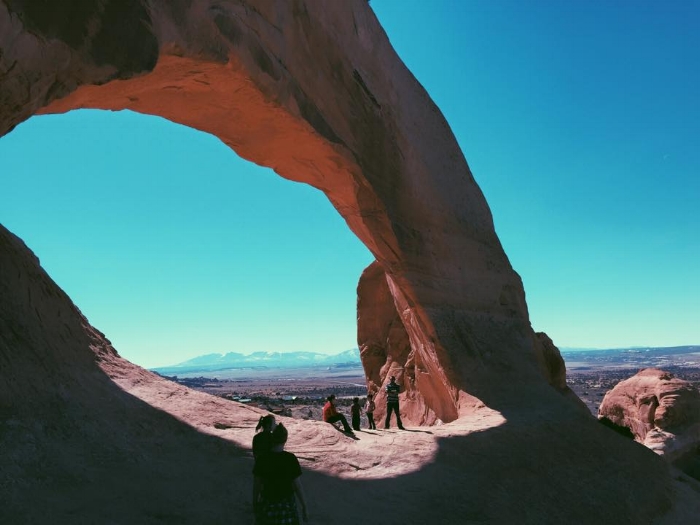
Arches National Park

The most still lake...unreal


Yakking


No filter

Muttart Conservatory - Edmonton

Pyramid Lake, Jasper
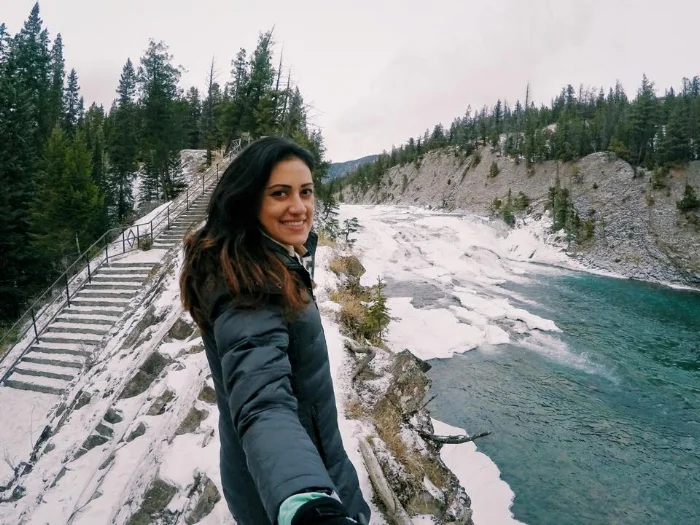
Bow Lake, Banff

Walking on Bow Lake, Banff

Don't ask how I convinced Hertz to let me rent this car...hanging out on Icrefields Parkway
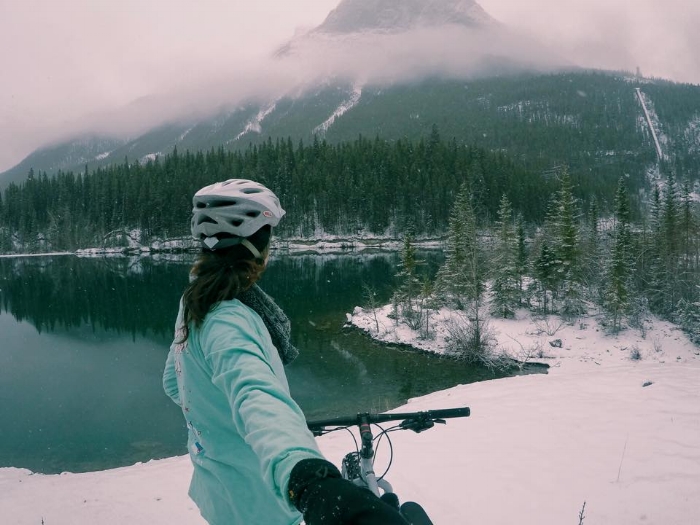
Always exploring - Canmore
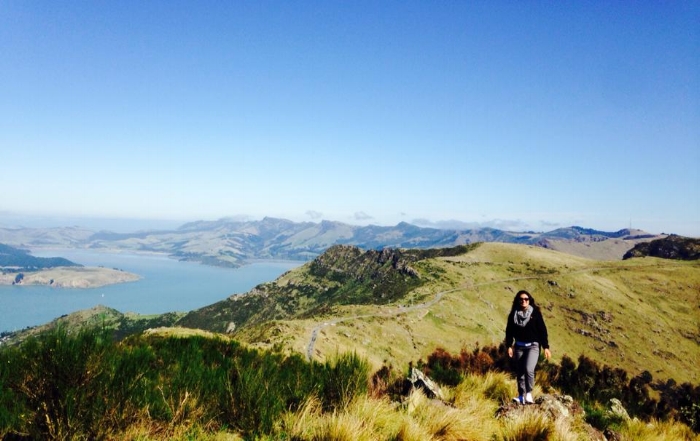
Christchurch, Canterbury

Tunnel Beach, Dunedin

Tunnel Beach, Dunedin
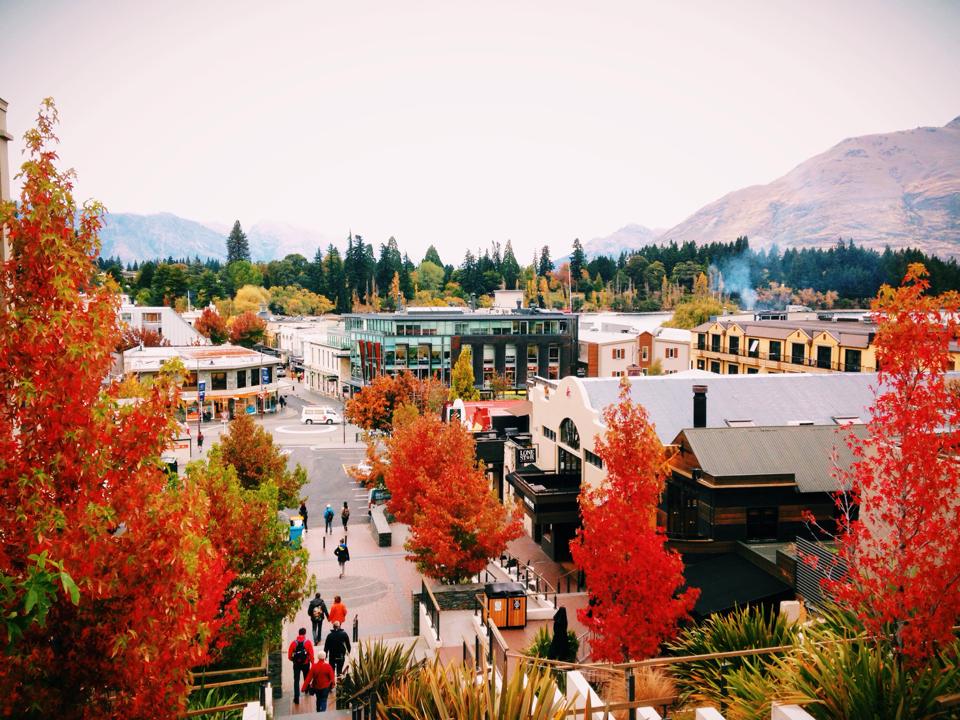
Autumn in April - Queenstown

One with the world - Queenstown

Milford Sounds. Dream come true

Boating through the Sounds

Going out with a bang
My home away from home...

In front of my apartment in Gold Coast after a storm. No filter necessary.

Ocean pool of Bondi Beach, Sydney.

A couple of semi-iconic places.

The most easterly point in Australia - Byron Bay Lighthouse

My kryptonite: potato wedges with aioli and sweet chili sauce.
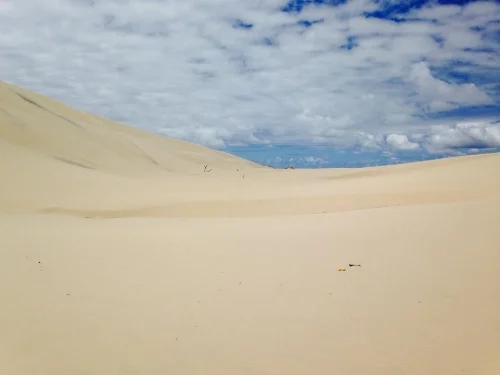
Endless sand dunes of Morton Island

Airlie Beach - Gateway into the Great Barrier Reef

Whitehaven Beach from above - Whitsunday Islands

Whitehaven Beach from below...a dream come true.

The funk of Melbourne streets and alleys

12 Apotscles - Great Ocean Road, Victoria

Loch Ard Gorge - Great Ocean Road, Victoria

Burleigh Heads Beach...a daily occurrence

Coolangatta coastline

Mount Warning - the first place to see the sun rise in Australia. A race to the top.
A Look into Each City, How to Eat, Where to Stay, and Transportation Options
After spending a few months backpacking in Southeast Asia, I’ve concluded that Vietnam was my favorite country in the region for several reasons. I fell in love with the vigorous and hospitable locals, the hustle and bustle of each city, the flavorful cuisine, the rich – and very depressing history, and the relaxed countryside. Spending only 17 days there wasn’t nearly enough time to see and do all that I wanted, but all the more reason to go back! Here is your complete travel guide of the country that stole my heart.
City-by-City
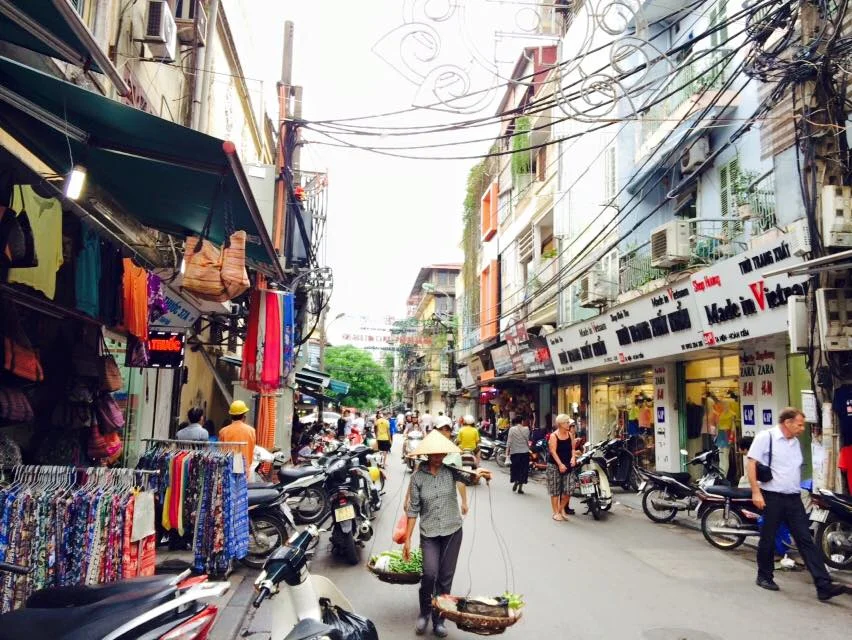
Hanoi – The capital, and largest city in Vietnam, is usually where backpackers first begin their trip. The colorful and rich culture here is the perfect introduction to the country as you will never run out of things to do. Stroll through the Old Quarter (and try not to get run over by motos) and engage in the street food and markets, and head to the French Quarter where you’ll find cafes, shops, and local restaurants. Other key cites in Hanoi include Hoan Kiem Lake situated in the center of the city for a little quiet and greenery, the very moving Hoa Lo Prison (nicknamed the Hanoi Hilton by US prisoners of war during the war in Vietnam), and the Ho Chi Minh Complex, taking about half a day to complete, displaying emperor Ho Chi Minh’s burial site, his former home, and a museum, all paying refuge to his life.
Sapa – A few hours north of Hanoi (almost bordering with China) sits a very picturesque Sapa, known for their village homestays and beautiful trekking tours. A couple days here would suffice, but you’ll kick yourself for leaving this extremely gorgeous local experience. It’s a winding ride up a mountain to arrive in Sapa, but scenic nonetheless. The rolling hills and rice fields are the main draw, and there are plenty of trekking, cycling, and motorbike tours to join in order to immerse yourself in the landscape. Change it up a bit and instead of booking a hostel with other travelers, it’s easy to book a homestay for a more local experience. Doing this is cheaper, and you’ll also learn a little Vietnamese as well as eat home cooked meals served by your eager-to-please host.
Halong Bay – There is no way to describe Halong Bay other than purely breathtaking. As a Unesco World Heritage Site and wonder of the world, the bay features thousands of limestone islands and cliffs immerging from the turquoise sea. You can easily book all kinds of tours here out of Hanoi that range from one day to much longer, booze cruises, snorkeling, and kayaking. If you want to come here solo without other tourists, be sure to take a boat tour of the bay and explore the caves and grottoes, and head over to Cat Ba Island a bit off the coast for trekking in Cat Ba National Park, kayaking, and watching some of the most amazing sunsets that you’ll ever lay eyes on.
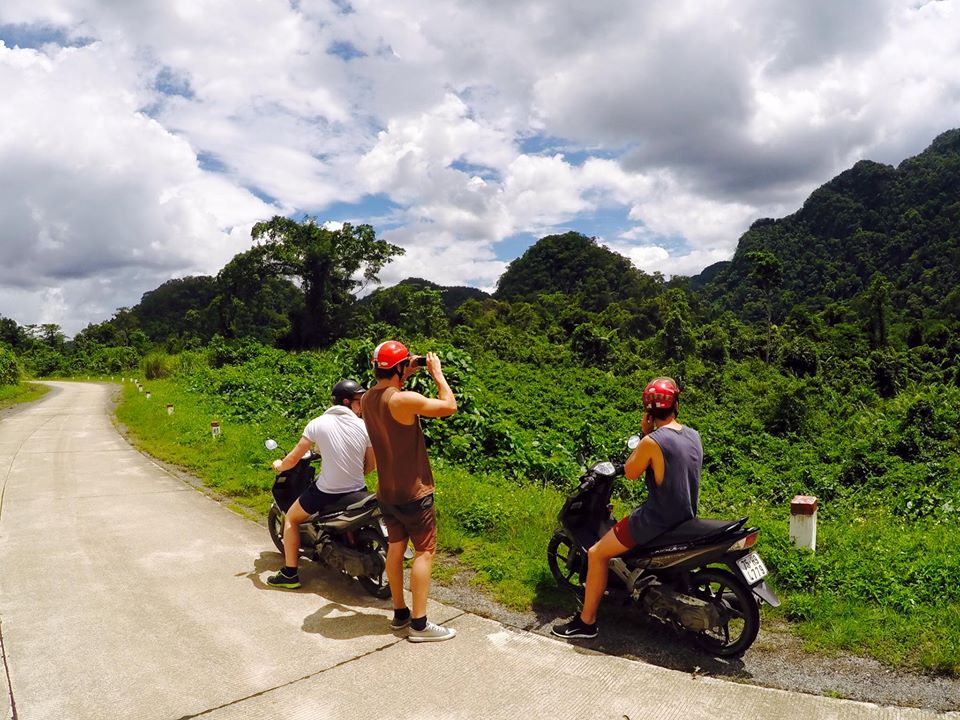
Phong Nha – Another breathtaking town located in north-central Vietnam, Phong Nha itself isn’t more than a few blocks long, but it’s surrounded by stunning mountains. The main draw here are cave treks, and it boasts the world’s largest cave, discovered only in the 1990s. There are several other caves to explore in the area, including the very popular half day Dark Cave Experience. This includes zip lining, an amazing tour of inside the cave, kayaking, and more water activities. The caves, as well as hiking and trekking, are a bit outside of town, so renting a motorbike would be easiest to hit all that you want, and you’ll also have free reign to stop and photograph all of the amazing landscapes.
Hue – Another beautiful city situated on the Song Huong River, Hue is one of the most cultural cities that you’ll experience in Vietnam. There are numerous palaces, pagodas, and temples to explore which can be done in a few days. The Citadel is surrounded by moats which call for a very photogenic scenery. Once inside, the Imperial Enclosure is an enormous complex of the former Nguyen emperors which cannot be missed. Allocate up to a full day to explore the tombs, palaces, and architectural beauty inside the Imperial Enclosure. Cross the bridge to the eastern side of the Song Huong River, and you’ll find gorgeous parks and a boardwalk with cafes and restaurants, boats along the river, locals selling produce, and people enjoying the greenery away from the noisy traffic of the city. A bit further east is the backpacker’s district and touristy restaurants and bars.
Danang – A bit off the beaten track, Danang makes a great day trip and is home to miles of coastline and beaches that you can call your own for a day. The Han riverfront is also great for walking and enjoying the scenery.
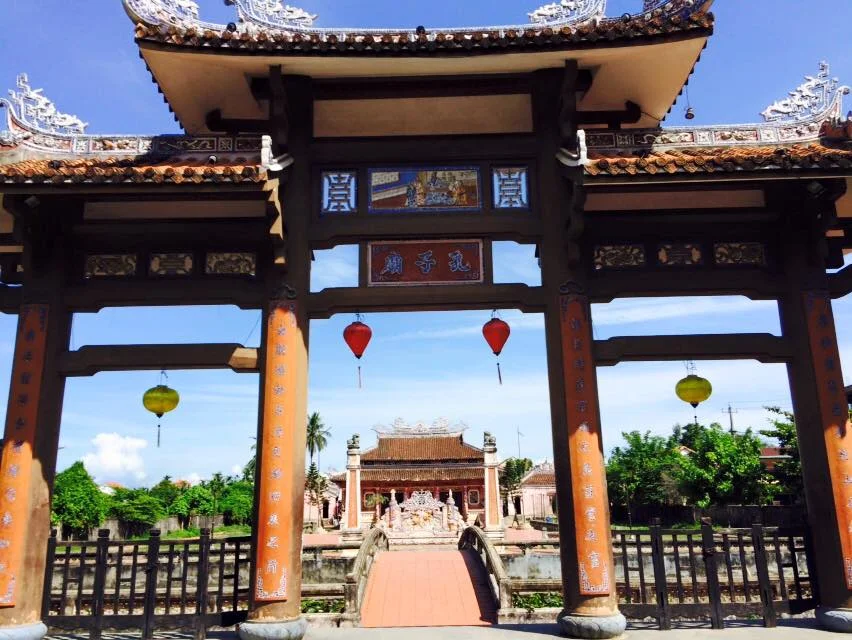
Hoi An – Every traveler’s favorite spot in Vietnam, and for good reason. Hoi An has everything you could want in a city: winding cobblestone roads with boutiques, cafes, and restaurants, a colorful night market, great nightlife, and picturesque beaches. It’s another place that you’ll kick yourself for leaving because of the plethora of activities. Be sure to wander through the old town which is home to hundreds of tailor shops, custom making ANY kind of clothing or shoes you would like, for amazing prices, with the option to ship anywhere in the world. There are several museums and palaces within the old town, as well as the night market, that shouldn’t be missed either. If you want to head for the beach for the day, just out of town are An Bang and Cua Dai, both up and coming areas for tourism, and both great opportunities for a quiet afternoon in the sun.
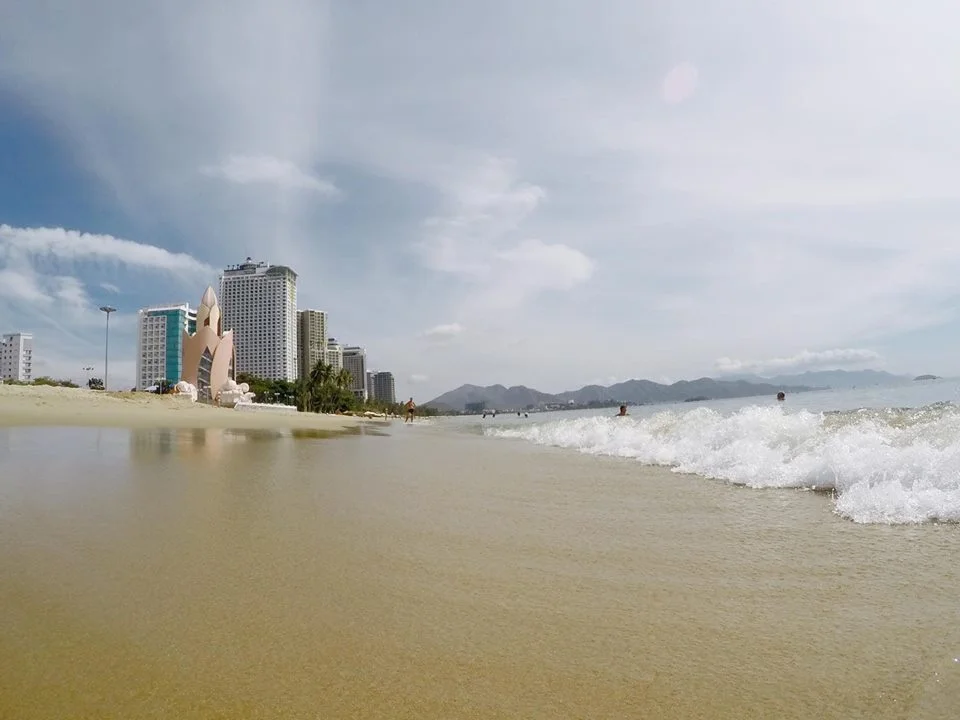
Nha Trang – This small beach town is the Miami of Vietnam, home to 5 star hotels and resorts, nightclubs, and tourists everywhere. For a relaxing couple of days, there are snorkeling tours off of the coast in the crystal blue waters, and beautiful walks along the beaches. If you want a more local experience, stay at a hostel or guesthouse, but the area in general is very built up with brand-named hotels and restaurants.
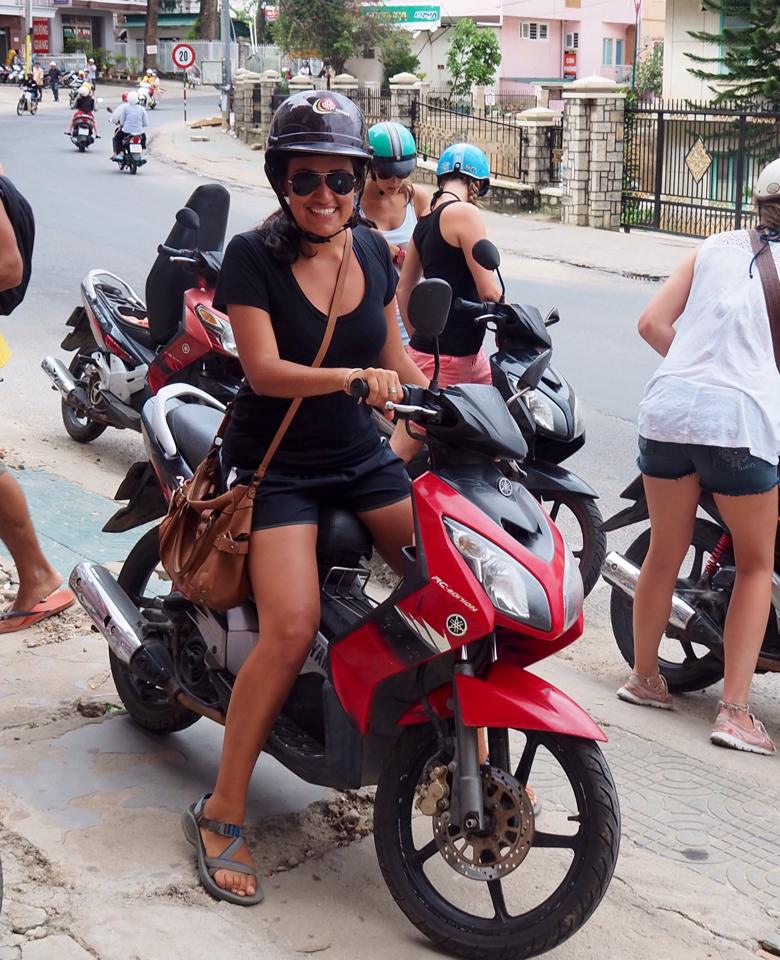
Dalat – Another picturesque, gorgeous town in the mountains that you’ll never want to leave. The streets are very winding and a bit hard to navigate, but you will find your way nonetheless. The main draw here is the trekking and canyoning tours and excursions that can easily be booked through your hostel or a tour company. Renting a motorbike for the day will also give you a fabulous taste of the hustle and bustle of the city, as well as the remote parts of the mountains. Also not to miss is the Xuan Huong Lake situated in the center of town for some relaxation, Hang Nga Crazy House (you have to see it to believe it), and Bao Dai’s Summer Palace.
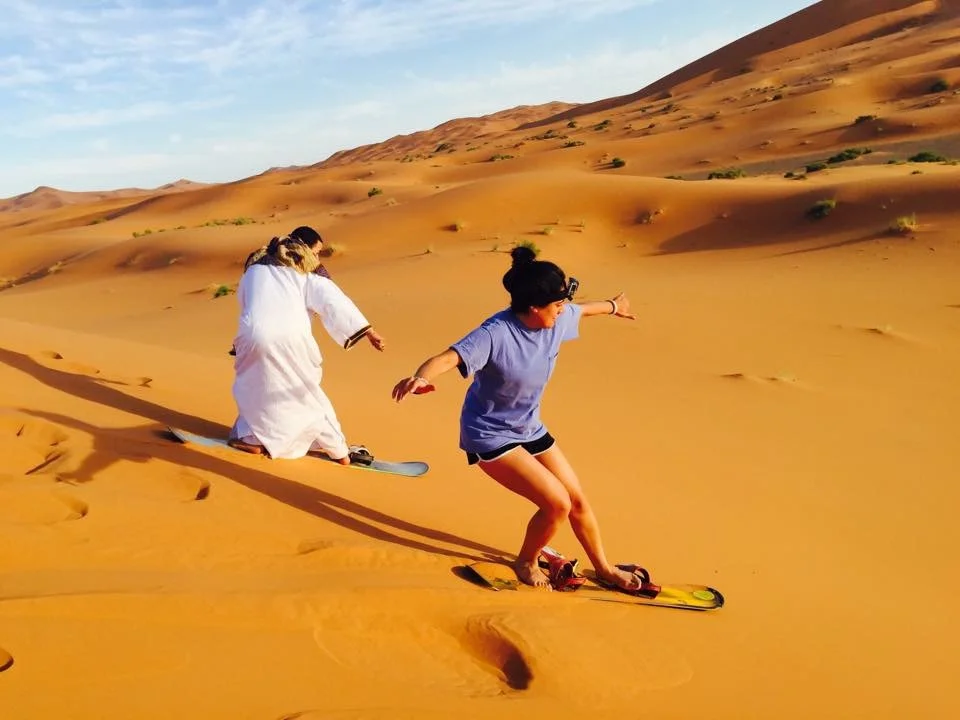
Mui Ne – Known as the “Sahara of Vietnam,” Mui Ne is a beautiful stretch of sand and dunes along the coast that is hard to miss out on. Water sports such as wind and kitesurfing are popular here, but the main draw is the quad bike tours of the sand dunes. Try to go in the early evening to catch the sunset.
Ho Chi Minh City (Saigon) – The second largest city after Hanoi and a very close look into the horrific history that the nation has faced. I was surprised at what a long way the city has come since the war – there are lots of chain restaurants, skyscrapers, and parks throughout the city. There are several districts and lots of ground to cover, but some of the best sites include the Reunification Palace, the HCMC Museum, and the Notre Dame Cathedral. Perhaps the biggest cultural draw in the city is the War Remnants Museum. The museum displays gruesome, authentic, and very biased pictures and stories against American war crimes from the war, and as an American it was incredibly hard to get through, but very informative and an absolute must-see. Outside of HCMC are the Cu Chi Tunnels which were used by the Viet Cong during the war, and also an authentic peak into Vietnam’s horrid past.

The Mekong Delta – There is also a lot of ground to cover here, but the Mekong Delta is home to beautiful floating markets and villages, local homestays, and a very local experience. There are numerous boat tours that you can take that hit all of the floating markets and beaches, and this region is an amazing look into how much of Vietnam’s economy thrives on agriculture.
Transportation
Buses – There are no shortages on buses and you can book transportation to literally anywhere in the country. Most hostels will work with tour companies so you won’t have to go far to book your next destination. There are also tourism companies on almost every street in bigger towns, and these tend to be a bit cheaper. My best advice would be to shop around a bit to compare prices, as some vary depending on time of day of departure and type of bus. They are all very accommodating – the company you book with will more than likely pick you up from your hostel and take you to wherever the bus will be departing from. Sleeper buses are also extremely common, well-used by backpackers, and safe. Vietnam is a very long country, and the longer rides can sometimes take up to 12 hours. Don’t waste a day in transit and instead consider booking a sleeper bus. They feature two levels of decently comfortable beds and storage to keep your belongings. The best part is that you’ll save money on accommodation for a night, and you’ll wake up in the morning in an entirely new place with lots to explore! Short bus rides will be less than $10 USD and night buses are around $15-25 USD.
Motorbikes – Vietnam is known for its organized chaos traffic because there are more bikes than vehicles in the streets, and everyone is constantly fighting for space. Experienced bikers purchase bikes for $200-300 USD in either the north in Hanoi, or the south in HCMC and drive the entire country and sell the bike at the very end. This is by far the best way to see and do everything that you want, but it requires time and patience. Another option if you still want to experience a longer bike ride is to ride from Hue to Hoi An (or vice versa) via the Hoi An pass. The ride will take 4-6 hours depending on how many times you stop to take pictures (which you 100% will, it’s way too stunning of a ride to zip through quickly). If these both don’t sound safe or feasible to you, a great option is to rent bikes in each town for no more than $5 USD for 24 hours and see and do all that you want. Having a bike is definitely something to check off your bucket list in Vietnam because you will have freedom to explore, and it’s a great way to immerse yourself as a local.
Accommodation
Hostels – Hostels in Vietnam, as in all of Southeast Asia, are dirt cheap and offer you all of the features that you will want in a home. Paying around $4-6 USD per night for a dorm will give you everything you need, from a clean bed, bathroom, Wi-Fi, and usually included breakfast. If you want something a bit nicer with more features, lots of hostels have pools, a gourmet breakfast, family dinners, free laundry, and more comfortable beds ranging from $7-10 USD per night – still a bargain! I use the Hostelworld app to book all of my hostels. Here, you can see what the hostel offers, look at pictures, and read reviews. You will gain great insight into what atmosphere you’re looking for just by reading the reviews; if you want a crazy party nightclub, the relaxed quiet hostel, or something in between, there will definitely be something to suite you.
Homestays – Homestays are the best option if you want to get away from Westerners and into a more relaxed and local atmosphere. Most hosts speak decent English, so no need to worry about the language barrier! Homestays are cheap as well, and you shouldn’t pay more than $6 USD for one, and they’ll include home-cooked meals, and a bed and bathroom.
Hotels – More expensive, but still a bargain, there are plenty of hotels and private rooms that you can book right before coming to each city. Most are very nice and include a comfortable bed, your own private bathroom, Wi-Fi, and a gourmet breakfast every morning.
Food
I absolutely ate my way through Vietnam, and you will want to do the same, because the cuisine here is known as one of the best in the world. There are plenty of touristic restaurants all serving pizza and burgers, but that’s not the reason you came to Vietnam – eat local! If you’re eating at street stalls and small local restaurants, you will not spend more than $1.50 USD on a single meal – if you do, then you’re either ordering several dishes or going to very touristy spots. Here are some amazing local favorites that you’ll want to recreate as soon as you’re home:
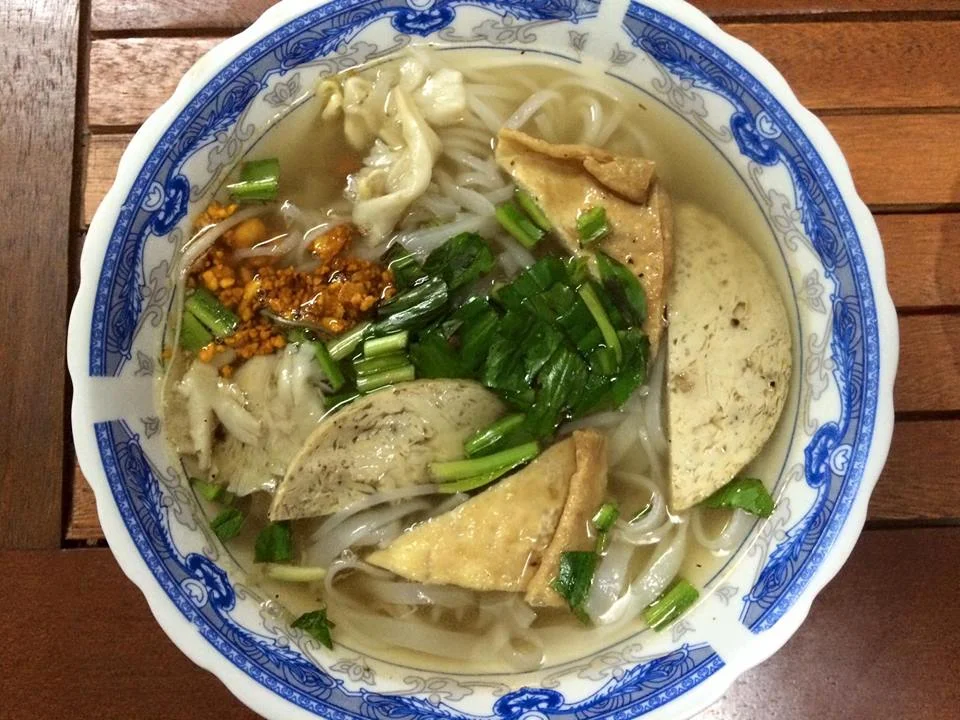
Pho – Pronounced “fuh” is a noodle dish absolutely everywhere, and served at all hours. You can usually choose between chicken, beef, and sometimes a vegetarian tofu, and it’s loaded with vegetables and lots of noodles.
Com – Com is a popular rice dish that comes with whatever is freshly cooked that day poured on top. This can include chicken, beef, vegetables, noodles, and tofu. It’s a very filling dish for very cheap!
Banh Mi – You will die over banh mi. A fresh baguette is used to create a sandwich loaded with beef or chicken and vegetables, with lots of sauces added on top. There are also vegetarian versions of banh mi with tofu and mock meats.
Drink
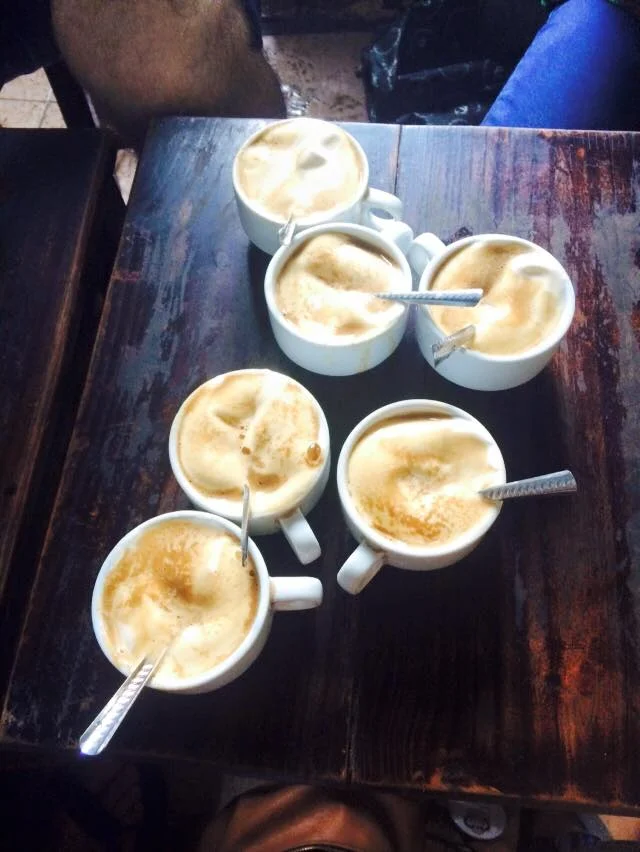
Coffee – Drinking coffee anywhere else in the world is now a disappointment; Vietnamese coffee is by far the richest and most fresh coffee I have ever tasted. It’s very strong and thick, and a local way to drink it is by pouring condensed milk in the bottom, and doing a pour-over technique with your choice of coffee bean. Also try ordering an “egg coffee.” It’s essentially a thick, creamy latte and prepared with egg yolks, sugar, and condensed milk. Depending on where you buy the coffee, it shouldn’t be more than $1 USD.
Beer – Tiger and Saigon are Vietnam’s local beers, starting at 25 cents USD for a glass. Going out won’t burn a hole in your budget as more popular licensed beers and spirits are equally as cheap.

What The Real World Won’t Teach You
Contrary to popular belief, traveling can teach you more than a classroom, job, or relationship ever will. I’ve found that people’s definitions of “the real world” vary quite a bit. For me, the real world means packing up and leaving your comfort zone, the familiar, your safe place, and experiencing unknown things – a new place, new people who may not understand you, unfamiliar customs, the list goes on. Traveling is being in the real world, and here are 10 vital lessons that it will teach you.
1) To be more Patient
Being American and from a big city, the fast-paced lifestyle is inevitably engrained in me. Waiting for anything – food at a restaurant, lines for the restroom, even waiting for a professor or boss to email me back – drives me crazy. The biggest lesson I’ve learned through my travels and backpacking is that it’s okay to wait and have lag time, and if something happens to go wrong, to be patient when seeking help. Though it seems that way, traveling isn’t at all luxurious like advertisements and glamorous Instagram accounts make it out to be. Your flight gets cancelled because the pilot is sick and you’re stuck in the airport, you catch a stomach bug and you’re on bedrest, your bus is late, you get on the wrong train, bad weather will minimize outdoor activities – it happens on every trip, and trust me, it builds character. If things always went smoothly, the adventure wouldn’t exist. Patience is truly a virtue and you’ll learn to tackle the circumstances as they come, which will make you appreciate the experience even more.
2) To leave your comfort zone
People don’t enjoy traveling because it means leaving behind what’s comfortable for them, whether it’s their group of friends, air-condition, their favorite foods, pets, the list goes on. Just getting on a plane and going is the first step. It’s exhilarating to forget what’s familiar for a bit and expand your horizons. Once you do, there is no better feeling than taking on unfamiliar territory and making it familiar. All it takes is pulling the trigger, and you’ll come home with endless stories.
3) To be more curious
I recently listened to a TED Radio Hour podcast called “From Curiosity to Discovery” and I loved every second of it. Fully understanding something that was once just an idea makes traveling so worth while. Being in new territory will probe new ideas and curiosities – what the local customs are, the local food, what language is spoken, and religious practices. Traveling and interacting with locals and natives will give you a better understanding, and therefore turning these curiosities into discoveries. This will then make you hungry to learn more, ask questions, and completely immerse yourself into a new place.
4) To appreciate other cultures
It’s easy to question and judge cultures that are different than yours. Traveling or living somewhere completely different gives you a new perspective that’s different from just hearing or reading about it. The act of being somewhere new allows you to fully immerse yourself and appreciate that new place, from the people, the language, the clothing, and everything in between. Taking the time to come out of your shell and interact with the local culture is the way to experience and appreciate it fully. Again, this can’t be taught, only experienced.
5) To live simply
Believe it or not, you can survive with very, very little and get by just fine. Most people around the world do. Traveling extensively forces you to pack so lightly that you’ll go home overwhelmed by how much you actually own. Not only that, but sleeping in rundown guesthouses, hostels with bed bugs, and tents pitched anywhere that you can find space really isn’t the end of the world, you just learn to live with it. Steering away from lavish meals on the town and fancy cocktails on outdoor patios is another experience you may have to sacrifice while traveling if you want to save enough to travel longer. As a result, you’ll come home and realize that you don’t need anything more than the essentials to survive.
6) To make friends with strangers
If you’re traveling alone, you’ll be desperate for human interaction. And guess what? Every other traveler is too! I’ve found it extremely rare to come across another traveler who isn’t eager to hear your story, where you’ve been, for how long, and your opinions and advice. You can seriously build a global network even if you’re traveling for just a few days. It’s a beautiful thing to say that you’re friends with people around the planet, and you’re all bonded by one common trait: love for adventure and new experiences. If you’re traveling alone, you’ll never really be alone, as there will always be someone wanting to tag along for an activity or just sitting next to other travelers on public trans. This is definitely my favorite part about traveling.
7) …but to also embrace your solo travel experience
Admittedly, traveling alone does get lonely. You’re constantly saying goodbye to new friends who are going to different places, having to leave a new place that you’ve mastered and made familiar and taking on new territory with minimal information, and sometimes no one to talk about the amazing day you had sightseeing with. Learning to eat meals in restaurants, go to bars, or walking around a new city alone takes some getting used to, but it’s really okay to do these things alone. Being alone and having time to reflect on your experiences will help you appreciate them more, and you won’t be distracted by outside opinions. You also won’t have to deal with conflict of interests or compromising on activities! It’s the best, and you will come home with a new sense of independence.
8) To try new things
We’re going to be forced to come out of our shells no matter what. Doing what we’re used to at home doesn’t always work when we travel so we have to adjust. Pick up the language and try not to stick with what’s familiar. Try a restaurant serving ethnic food and avoid the touristic restaurants with equivalent food from home. Take public transportation and learn the system, it’s not difficult after the first couple of times. Sign up for an outdoor activity that you might not get the opportunity to do at home like hiking, sailing, or flying in a helicopter. New places means new opportunities, so try not to pass them up.
9) To think creatively
Sometimes it takes a little thinking outside of the box to get by. No wifi for directions? The restroom you entered is merely a hole in the ground? The buses to your next planned destination are all booked? There are always alternatives, and bumps in the road should never keep people from traveling. Studies show that people who travel think more creatively and are better at adjusting to new situations. Again, traveling isn’t full of glitz and glamour as it’s portrayed. there will always be something to overcome, forcing us to be creative.
10) To Find beauty in small things
Returning from a trip, a study abroad experience, or a weekend away feels rejuvenating once we return. New perspective is gained. A home cooked meal will mean so much more to you because you missed it for so long. The person who smiled at you on the street becomes your best friend. Seeing a statue or monument in your hometown will remind you of the one you saw abroad. It’s really the small things that give us joy in life, and they’re usually free. Traveling is one way to learn this.
Northern Thailand – An Adventurer’s Dream
Thailand is becoming a popular travel destination due to the beautiful temples boasting thousands of years of history, the food, the constant smiles on locals’ faces, and the perfect weather. Most travelers only have time for the hustle and bustle and party scene of Bangkok, then go south to island hop for a week or two. Northern Thailand is very overlooked and underrated when people travel here. If you want an adventure, from trekking, to ziplining, motorcycle tours, and everything in between, if you want to take classes ranging from Thai massages, to cooking, to learning the art of boxing, and if you want a more quaint and local experience countering from the typical tourist loop, then consider heading north in Thailand after a few days in Bangkok!
Chiang Mai
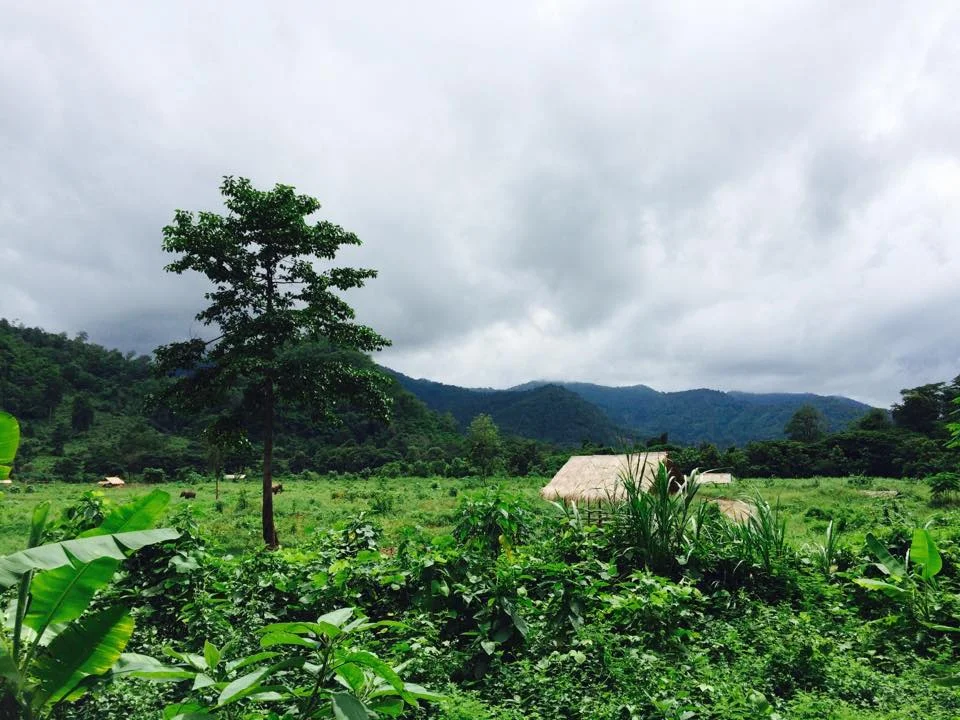
Being the second largest city in Thailand after Bangkok, Chiang Mai displays culture and local beauty in a big city setting. Here’s what should be on your list of activities:
1) Visiting temples – Inside the Old City Quarter, there are dozens of Buddhist temples to stroll through at your leisure. You will also find monks throughout engaging in prayer or cleaning the temple grounds. One of the most popular temples is Wat Phra Sing – it’s gorgeous and I highly recommend it!
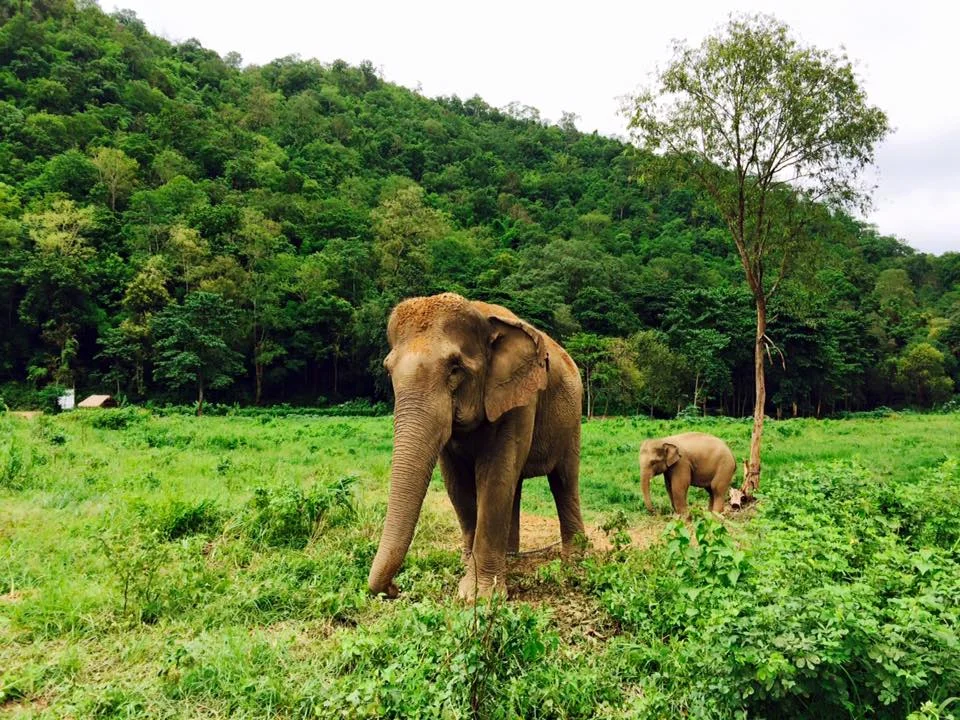
2) Sign up for an adventure tour – Just walking down a street in Chiang Mai, you will find plenty of tour companies offering to take you anywhere at any time and conveniently picking you up and dropping you off. It’s hard to recommend one company because there are so many, and they will accommodate all interests. Activities include elephant conservation centers, tiger kingdoms, cycling tours to Lake Huay Tung Thao and Mantha Than Waterfall, trekking in Doi Suthep National Park, ziplining, and much more. I did an incredible 2 day and 1 night tour which included hiking through the jungle, an elephant ride and feeding, a unique night in a local village, white water rafting, and more hiking. Tours range from a few hours to a few days, it just depends on how much time you have and how many activities that you want to cover!
3) Take a class – There are a plethora of classes to choose from in Chiang Mai. The food is very unique in northern Thailand and there are dozens of cooking schools offering half day or full day classes, and trust me, you won’t be hungry for days after! Muay Thai boxing is very important to local culture and there are also classes that teach beginning boxing. Massages and spas are also huge (and cheap!) in Thailand and there are classes to teach a great massage as well.
Pai
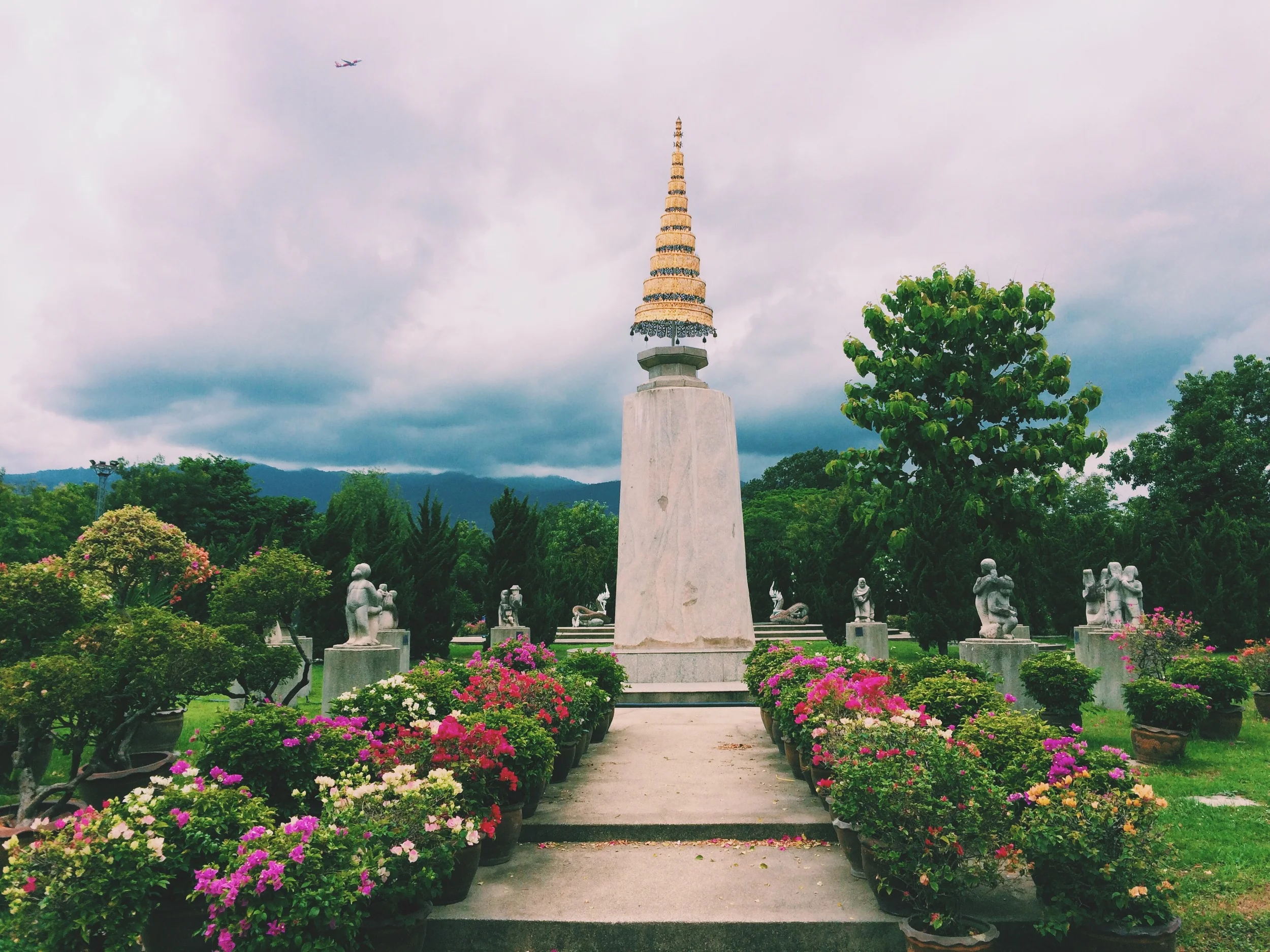
Situated high up in the mountains 3 hours northwest of Chiang Mai is Pai known for the beautiful trekking, rivers, caves, and waterfalls. It’s an outdoor connesoir’s dream as there are endless possibilities in this picturesque town. There are many tours offering day treks to waterfalls, caves, and canyons, but your best bet would be to rent a moped for the day and see as much as you can. I had never driven one before and rented one in Pai and it was the best decision because I could see what I wanted for however much time I wanted! I drove to the Temple on the Hill with the white Buddha, Pai Canyon and Pam Bok Waterfall.
Hong Son Mai
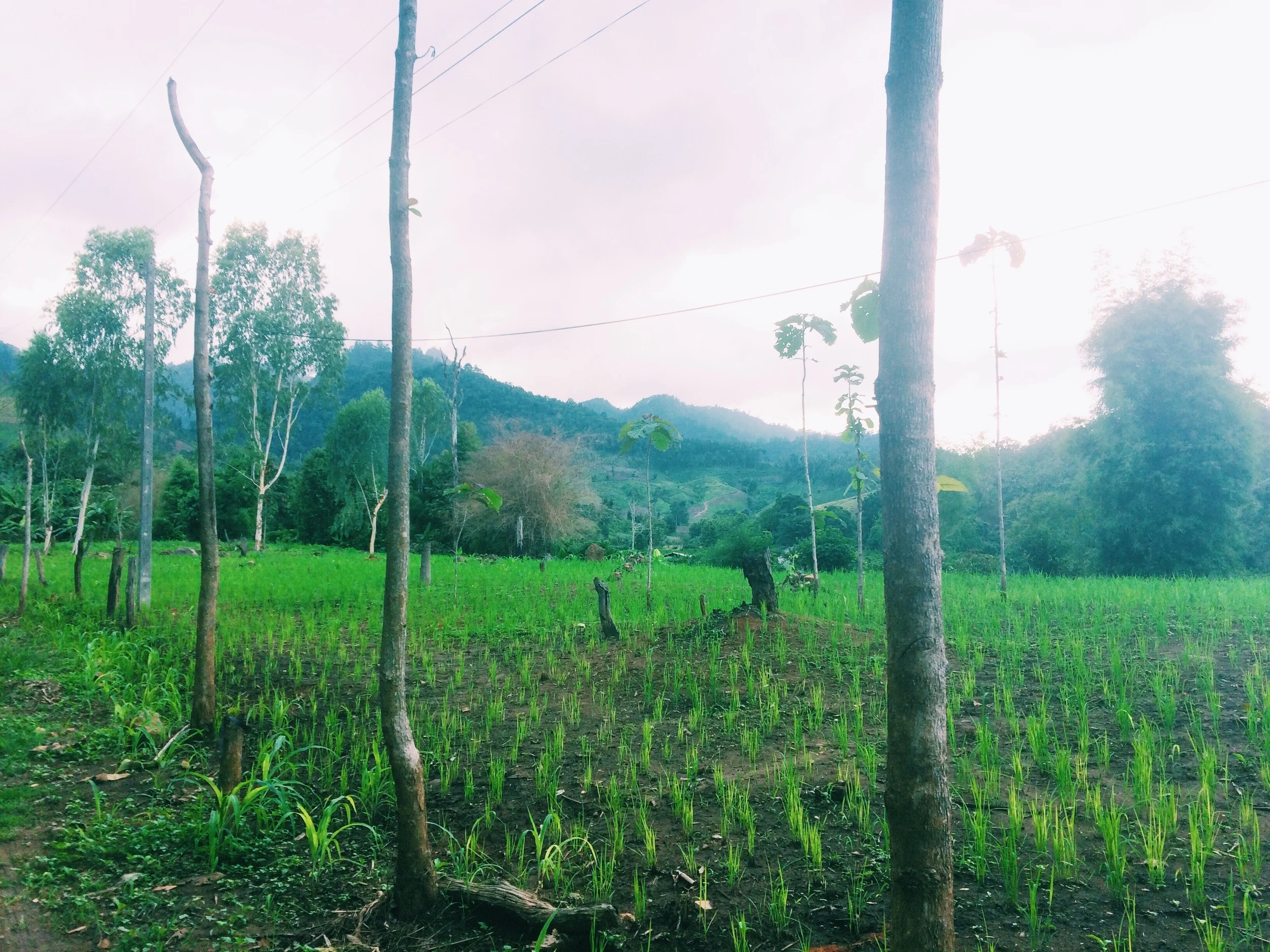
Located very close to the border of Myanmar, the biggest draw to Hong Son Mai is the trekking and it’s absolutely stunning. You’ll get more of a local experience here as well since it’s not as touristy. The mountains here are untouched and a good option for a few day getaway. The night markets are also great here too.
Chiang Rai
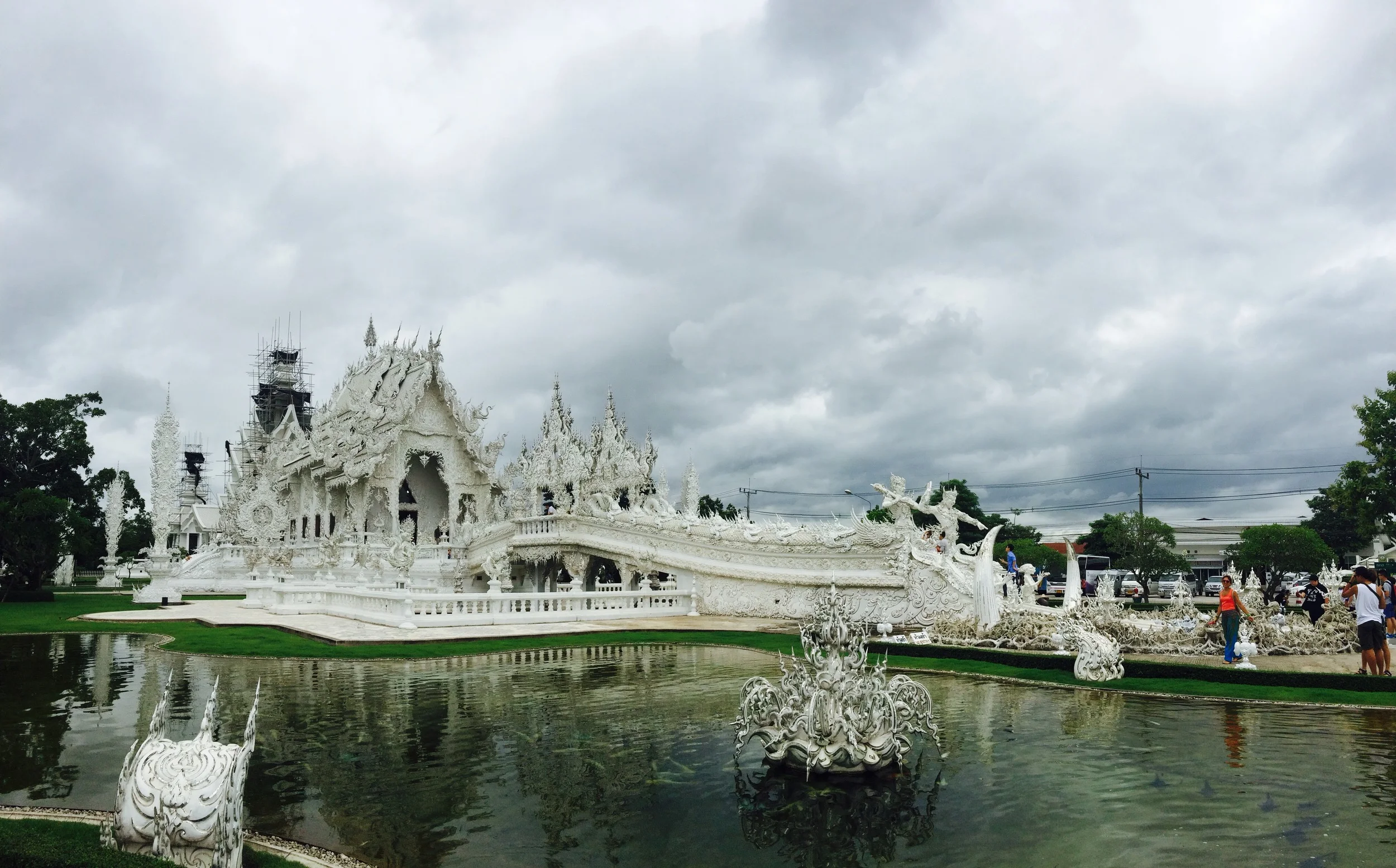
Filled with temples and more hiking, Chiang Rai is only a few hours from Laos and most backpackers have to come through here to pass through the border. I enjoyed the city a lot because it too was a more local scene. Wat Rong Khun or “the white temple” is not to be missed and was probably my favorite temple in Thailand because of it’s unique architecture and ponds surrounding it.
Travelers can easily spend months in Thailand and never run out of things to do, and northern Thailand is just a small portion to the beautiful country. You will never go wrong wherever you are, but I fell in love with northern Thailand from the start.

Activities and must-sees for each city and tips for public transportation
I found that Portugal has one of the most enriching cultures because it offers a little bit of everything and caters to all interests. Its cities are all walkable and feature some of the most unique and beautiful ancient history and architecture in the world. The coast is lined with crystal blue water and endless cliffs. The nightlife is some of the best I’ve seen, and the food culture is spectacular. Originally, I was only going to spend about 5 days in Portugal and see only a couple highlights before moving onto the next country, but I have no regrets about changing my plans and staying for 12 days to really see the entire country. Here is an overview and some tips about what I hit, what I missed, and everything in between for your next visit to Portugal.
Lisbon
Lisbon is the capital of Portugal, the largest city in the nation, and it really stole my heart. I would allocate at least 3 days to see everything, it’s definitely a large city but not daunting by any means. The city is very hilly (wear comfortable shoes) so you can really see a lot just by looking at your surroundings. Lisbon is best known for the ancient Castello de Jorge, situated at the very top of the city on the highest hill. Trust me, you can definitely take a tram all the way up, and the tram makes an entire loop around the city so you can hop on and off just with your train card. There is a student discount to go inside and explore the grounds and ruins and the view from the top is absolutely unbeatable. Other places to hit in Lisbon are the Alfama neighborhood with small stores, cafes, and restaurants (near the Castello), the Centro de Commercial is a large square by the water with a great view and beautiful buildings surrounding it, Rossio Square is the touristy shopping and restaurant district, and Bairro Alto has the best nightlife. Bairro Alto is also at the very top of a hill in the city which makes it a journey to get up there, but you will definitely thank me later that you spent a night out here.
Sintra
I only spent an afternoon through the evening here, but if I could change things around I would have definitely spent a whole night and seen much more. Sintra is only a 45 minute train ride from Lisbon (hop on at the Rossio train station and the train comes every half hour). It is by far one of the most picturesque places that I’ve ever been to. It’s also very hilly, and there are castles everywhere emerging from the lush green forests and it’s truly a nature lover’s dream house. The town has your typical restaurants and small stores, but the real draw is to go on a few nature walks around the bottom of the hills, and then take the bus all the way to the top to explore the Castelo dos Mouros. Once you’re inside, you could really spend as much time as you want, from a couple hours to a whole day exploring all of the parks, trails, and different parts of the castle grounds. The view, again, is unbeatable, and it is definitely worth spending time in to learn about the history of the Moors and explore the area.
Porto
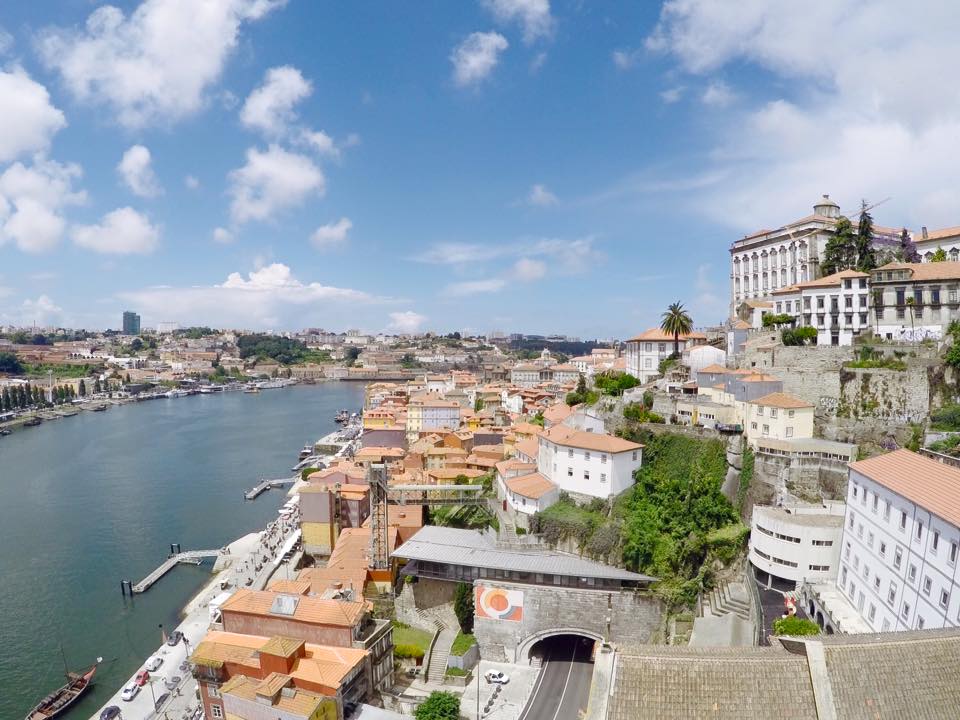
Porto is the second largest city in Portugal and a 3 hour train ride north of Lisbon. The two often argue over which city is better, and I’m still having a hard time deciding which one I liked better. I recommend spending about 2-3 days here as well just to make sure you cover everything and learn about the history. The river runs straight through the city, dividing it into two sides with the hills on both descending towards the river. I’m trying not to sound like a broken record at this point, but the views are seriously so stunning. There are cathedrals on nearly every street corner, museums, and don’t miss out on where JK Rowling got a little inspiration for Harry Potter at the Livraria Lello bookstore. There are free walking tours in the morning and afternoon that meet in the main square close to Sao Bento train station which were extremely helpful to navigate the city. Porto is also most notorious for their port wine. There are dozens of wineries and factories across the river in Gaia to thumb around or take a tour inside of. We toured Taylor’s and each of us had a flight of 3 different tastes – so great! I also recommend the nightlife on Tunel de Ceuta which hosts great bars and clubs.
Braga
Only about an hour train ride north of Porto is Braga, and we ended up staying the night here on a whim. I only recommend a day at the most here because you can definitely cover everything within a few hours. There is very beautiful architecture, cathedrals, and a downtown shopping and restaurant district. Café Vianna is the oldest bar in Braga with an enormous patio overlooking the main square and fountain and also stays open all night long. Definitely a must see!
The South of Portugal (Algarve Region)
Lagos
Lagos is generally known for some of the most beautiful beaches in the world, as well as the insane nightlife. The town is backpacker central, and you’re not going to get a very local Portuguese experience here because everyone speaks English. You can find restaurants of all cultures and small shops in the historical part of the town, and the hiking along the coast will keep you busy no matter what time of day it is. There are tons of inexpensive water sports excursions for the daytime such as kayaking, windsurfing, and jet-skiing, and the hostels organize pub crawls in the evening. I met multiple people in Lagos who were traveling all over Europe, but once they hit Lagos, they decided to stay – there’s always something to do.
Another activity I enjoyed in Lagos was a sunset tour of Sagres, about a half hour away. I got picked up in an adventure Jeep and we did some off-roading through the country, and then stopped at the Sagres lookout point at “The End of the World” for the sunset. Before discovering the Americas, Portuguese explorers thought that this point, the most southwestern tip of Europe, was the end of the world, and the sunset over the ocean was nothing like I’ve ever seen in my life – amazing!

Faro
Faro is another beach town on in the Algarve about 2 hours by train from Lagos. I don’t recommend spending too much time here because there isn’t a lot to do besides cafes, restaurants, and shops, but there is a beautiful marina and local Portuguese culture is much stronger here.
Key Places I Didn’t Hit
Coimbra is another gorgeous city about halfway between Porto and Lisbon best known for one of the oldest universities in Europe. People that I met say that it’s good to spend a night here because it’s a larger town and you’ll get a taste of student culture. Aveiro is another small town on the coast just south of Porto and is known for being the Venice of Portugal. I’m disappointed that I didn’t get to see these places, but all the more reason to go back!
Transportation
To travel from one city to another, I used the CP train system. The time tables are all listed on their website if you just type in your destination. It was very convenient, comfortable, and each main stop would be very close to my hostel accommodations in every city making it easy to walk. The longer 3+ hour journeys would be around 40-50 Euro, and the shorter ones would be less than 10. They also offer a student discount so take advantage of this!
Purchasing and packing your backpack
Backpacking; no set route, just buying a one way ticket and seeing where the world leads you. How do you pack for a trip that you may not necessarily have a planned route for? The key is to be strategic, and this begins with buying the correct backpack.
The Backpack-
A couple months before taking off, I started researching backpacks online on outdoor goods websites, as well as Amazon to compare prices and brands. I ended up waiting and went into LL Bean and was fitted for the backpack. Being fitted in person is very important as opposed to purchasing one online because there are different backpack options for different heights, and the woman at LL Bean knew exactly what would work well for me since I’m a bit taller.
Backpacks also hold different capacities and you want to take the length of your trip into consideration before purchasing. I figured that I’d be traveling for at least 3 months, and I purchased a 65 liter backpack which has been fantastic. There are so many odds and ends to it that I haven´t had time to figure out yet, but there are plenty of adjustable straps for comfort and to conform to your body. The first time I weighed it at the airport, I was shocked that it was only 25 pounds. I have also been paying a bit extra to check the backpack on every flight I have been on, but you can even tighten all the straps so that it compresses and fits in the overhead compartment on airplanes so that you don´t have to pay the extra fees!
It may seem daunting to carry the weight on your back for a few months, but you’ll thank yourself later that you didn’t bring a rolling suitcase, they are an absolute pain, especially if you plan on camping, being on beaches, or on rougher terrain in the mountains.

What to Pack-
Since it’s going to be summer time in the places that I’ll be traveling in, it was easier to pack and save room with lighter clothing. It’s also good to take the time of year into consideration before buying your one way ticket. Though accommodations and flights are more expensive in warmer months and this is usually when people go backpacking, it’s harder to pack for the off-season because of colder and more unpredictable weather.
When I packed for my trip this summer, I laid everything out that I thought would fit. As I packed my backpack though, I quickly realized that I didn’t need about a third of what I originally laid out. Less is more, and you’ll be repeating clothes regardless, so pack very lightly.
Pack clothes that you can mix and match. Neutral colors are also very important! For example, I packed black and white short sleeve tops, and black and white tank tops. These easily go with the 2 Nike athletic shorts I packed, as well as the 2 nicer shorts for walking around cities or going out (see pictures below). I also brought 3 Nike and Lululemon dry-fit shirts for runs and hikes.

Consider a country’s customs before entering. I was just in Morocco for 2 weeks where the culture is very conservative, and I’ll be in India next week with similar customs. I purchased a long skirt that covers my knees in Morocco, as well as a sundress that also covers my knees and shoulders. Researching a country beforehand will save you lots of time and money on shopping for appropriate clothes, as well as stares from locals if you don’t match their customs.
Also in my backpack:
A light Patagonia fleece pullover
Lighter sweatshirt from Gap that’s also nice enough to wear around a city or out at night
Pair of inexpensive jeans
Pair of Lululemon leggings
A romper I purchased in Australia
Sundress to wear to the beach and also out at night
Bathing suit from Forever 21
An inexpensive hand towel and shower towel
Flip flops for hostel showers and the beach
Nicer sandals
Chaco sandals for hikes
Asics gym shoes for runs.

And I still have tons of room! Being strategic with mixing and matching, as well as considering where and when you will be traveling are also key factors. Your backpack will be your lifeline for your experience, and as I love to tell people, “I’m carrying the team on my back.”

Australians are by far the most internationally well-traveled people I have ever come across through my own travels. This is because it’s literally cheaper for them to travel overseas for holiday than in their own country. Studying abroad for a semester in Gold Coast was by far the best four months of my life – I beached daily, went to new places every weekend, and I loved hanging out with the locals. However, all of this fun came at a price, and it was a hefty one – even the Aussies hate this. Here is a list of key methods to get more bang for your buck, and to save a little money while traveling in Australia as a college student.
1) Activities
Take a stab at surfing: if you want to live like a local, you must try surfing at least once on your trip to Australia, as it is practically a religion. It can cost between $15-30 AUD for a board depending on how long you’re renting it for. However, if you’re going surfing with one or two other friends, rent one board, and just take turns using it in the water. You’re going to want to take a break on the beach anyways, and this way you can take pictures of your friend who’s attempting to surf in the water! A group of my friends and I did this once and got 2 boards and divided up the money, and taking turns worked perfectly once we got to the beach.
Other activities: if you’re traveling by the coast, the beach is always free. They’re so beautiful that you can really kill tons of time just exploring one beach. Most of the time, there are great hiking trails around the beaches, and you can spend half of a day up to a full day just at the beach and hiking in the surrounding area. Just don’t forget to bring snacks and water! In Gold Coast, my friends and I would often take a bus down to Burleigh Heads for the day. The beach is stunning, and there is a national park right on the coast for a beautiful hike. We went there quite often, as well as Currumbin and Coolangatta. In Byron Bay, the beautiful hike up to the lighthouse, the most easterly point in Australia, is a must-see and you can beach hop along the coast for days. In Sydney, the hiking trail from Bondi Beach to Coogee Beach is also stunning – and free!
Also take advantage of local activities taking place in the area. Doing a quick online search of what’s taking place that upcoming weekend will be worth it. The Quicksilver and RoxyPro surf competition takes place every year in Gold Coast, featuring some of the best surfers in the world. The competition was free for the public to watch, accompanied by a concert right there on the beach. We would have never known about this if it weren’t for looking online and by hearing through word of mouth.

2) Renting a Car
Getting a rentalcar for a day or two on the weekend is a great way to explore sites that are inaccessible through public transportation. Again, this is another investment that you will want to split with a group of friends because the fees and gas money add up. Being strategic about how long you have the car and where you go with it is key. When my friends and I rented a car for 24 hours, we hit a couple national parks that we couldn’t access by bus or train, and this made it worth it. We got the car on a Saturday morning, drove an hour to Mount Tamborine and explored a national park, and then the quaint town for the entire day. We drove home that night, got a few hours of sleep, then set our alarms for 1AM that morning to drive to Mount Warning in New South Wales, the first place to see the sun rise in all of Australia. After the 4 hour hike up and down the mountain for the sunrise, it was time to return the car and our timing was spot on. Again, being strategic about your timing and the activities you choose when you rent a car is important to get the most out of your money.


3)Local Markets
Gold Coast featured amazing local markets that we would go to a couple times per week. Again, we did a quick search of the days and times that each market was held as well as its location, then just made a list so we always knew where to buy fresh produce and shop. Some of the markets take place only twice a month, some are twice a week, so we would just plan around that. The markets would sometimes have food stands, so we would eat a cheap meal local to that area, and it was also a great way to meet the locals too. Other times, the markets would have inexpensive clothing, a great way to skip the malls and shopping centers and buy something more authentic. Our favorite market was in Miami, a small town outside of Gold Coast. They had inexpensive and delicious food, drinks, and live music every other week. Such a great place for free entertainment and meeting people.

4) Going Out to Eat
This absolutely killed me in terms of attempting to save money. Meals at local restaurants can cost around $15-25 AUD for an entrée and drink, and more upscale restaurants can be upwards of $40 AUD. I have a bad habit of eating out quite often, so I had to search for deals – I found this in lunch specials. They’re everywhere! You just have to know the correct time to go. There are usually signs outside of restaurants with days and times of the specials, usually on Sundays. In Broadbeach, a city in Gold Coast, I found a delicious Indian restaurant with a $9.95 deal for lunch one Sunday afternoon. I lived close to the campus that I studied at in a quiet neighborhood, and the surrounding restaurants all had dinner deals as well. One night we went to an Italian restaurant and for $15 AUD we got a glass of wine, an appetizer, and an entrée. Brunch is also very popular in Australia, and there are lots of deals too!

5) Nightlife
Spending money on drinks can seriously suck all of your savings and it’s by far the easiest expense to avoid. Nightlife isn’t cheap in Australia – beer and cocktails can be $8-12 AUD , and there is sometimes a cover charge to get into some places. For girls, drinking can be much cheaper because of Ladies’ Nights found all over the country. On Thursday nights, Club East in Broadbeach for example has free champagne for girls all night – I’m not making this up, take advantage of the deal! There are a couple other clubs in Surfer’s Paradise and Broadbeach that do ladies’ night deals on Tuesdays as well. If nightclubs aren’t your thing, there are always drink specials available at bars and pubs. Waxy’s in Surfer’s Paradise had $3 beers on Sunday nights, Jupiter’s Casino in Broadbeach had $3 you-call-it on Tuesday nights, and Melba’s in Surfer’s Paradise had $3 Corona’s on Thursdays. Just hearing about and finding the deal is the hard part, but once you know where you can save money, those places will be the usual spots for you and your friends!